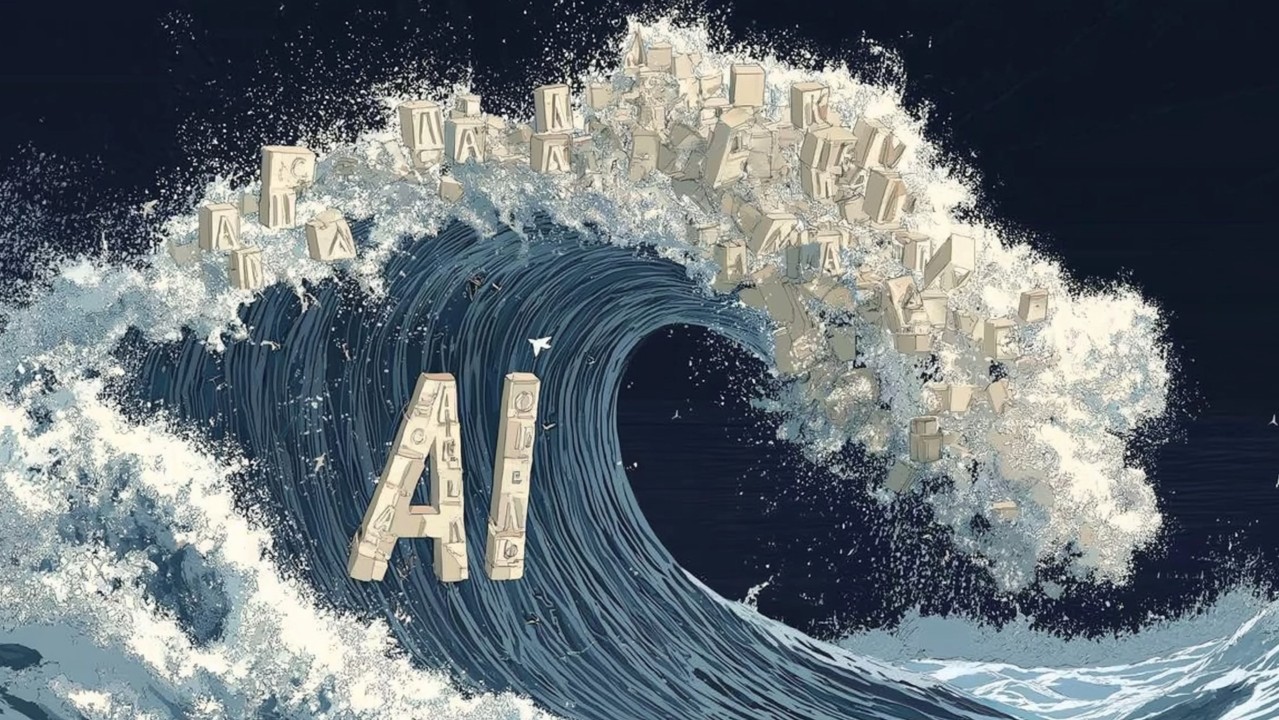
I’ve ridden a technological tidal wave before. I started at America Online in 1993, when the web was an obscure science project and email was still a novelty to most people. Then everything changed.
First, recognize the fear
The pressure to understand every detail of AI reminds me of the 1990s. People worried that everyone else had access to some mysterious knowledge they were missing.
I call it FONK: Fear Of Not Knowing. It is an exhausting way to learn.
Curiosity is useful. Panic is a terrible learning strategy.
Focus on your wheelhouse
Most of us did not need to understand how cellular signals worked to benefit from mobile phones. Likewise, most professionals do not need to understand every model, framework, or AI startup to make good decisions.
Learn what matters to your work. Build relationships with people who know other parts of the landscape. Nobody has to carry the whole map.
Let the hype settle
I watched waves of “this changes everything” tools arrive in the 1990s. Some were genuinely useful. Others left businesses dependent on brittle software that required expensive rebuilding.
Be especially careful when a fashionable tool becomes infrastructure. Curiosity is good; irreversible commitments deserve more scrutiny.
Stay curious anyway
The answer is not to sit on shore and refuse to get wet. Read, listen, experiment, compare notes, and keep adapting.
I don’t know precisely where this wave lands. Neither does anyone else. But I’ve seen what calm, deliberate curiosity can do. Surf’s up.